Service
Workflow Automation (n8n & Integrations)
Stop doing manually what machines can do—reliably, with monitoring and owners.
Meaningful hours back each week, with less copy-paste and fewer dropped handoffs
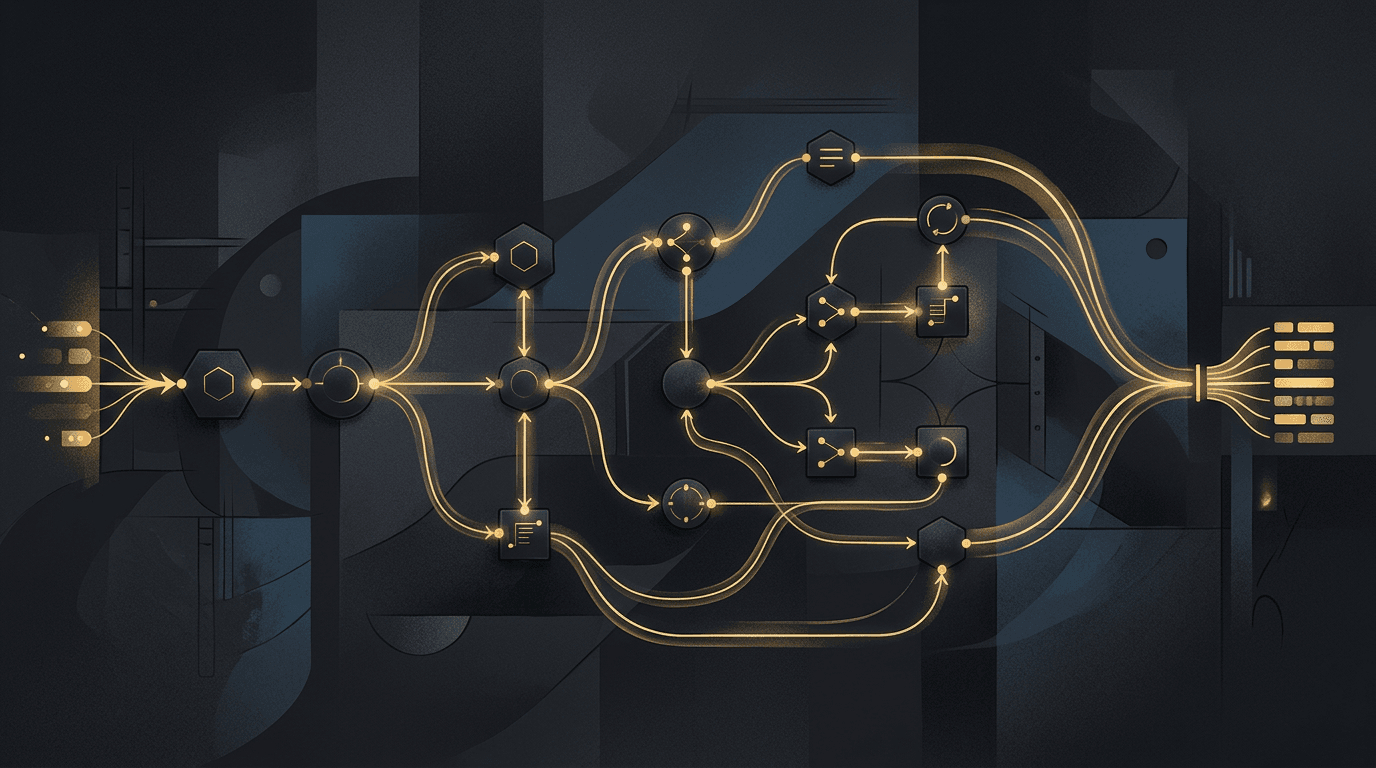
I map the manual steps that burn hours every week, then build durable automation in n8n, Make, or your stack’s APIs. Triggers, retries, error handling, and plain-language documentation are part of the deal—so a workflow is not a fragile script that only one person understands.
The first win is often narrow: a single high-volume path (e.g. lead form → CRM → thank-you, or new order → fulfillment alert). We prove it, then add the next. Where AI classifies or drafts text, the automation is still the part that *delivers* to the right system with the right permissions. That keeps n8n/Make from becoming a grab-bag of disconnected recipes.
What a typical engagement looks like
Discovery: which processes are frequent, high-cost when wrong, and owned by a clear role. I document inputs, systems, and failure modes, then recommend a first slice. Build includes credentials scoped to the minimum, a staging or test path where possible, and a go-live checklist.
After go-live, we keep a short improvement loop: which runs failed, what the team still does by hand, and what to add next. The system should stay boring and predictable—that is a compliment.
How this fits the rest of the practice
Automation connects AI outputs to operations: the model might summarize a ticket, but the workflow opens the case, updates the CRM, and notifies the right channel. The same handoff story applies to your public site: content and AEO on one side, reliable pipes on the other, one map of what runs in production.
Boundaries
If the source system has no API and no email export, we discuss pragmatic bridges—or whether the tool should change. I do not promise an integration your vendor has not exposed. I will be explicit about that before you invest.
Related proof — D2C Shopify workflow automation case study — 14 hrs/week reclaimed.
Learn more — Workflow automation — definition, demos, and FAQ.
Learn more — What is workflow automation? (article).
What you get
- End-to-end flows in n8n or Make: CRM, email, Slack, e‑commerce, Google, and custom webhooks
- Idempotent, reviewable design: the same event does not create duplicate records
- Alerts, run history, and fallbacks so failures are visible, not silent
- Handover docs and a short team walkthrough so you are not dependent on a black box
Common questions
Straight answers for this service—before you book a call.